Mahdi Elm
 Italy Changes Completely Between May and August
There is a photograph most travellers carry in their heads before they ever land in Rome: a sun-warmed piazza, a glass of something cold, shadows falling long across cobblestones. What that photograph never tells you is which month it was taken, and in Italy, the month is everything. A May afternoon in Puglia feels nothing like an August one. A November morning in Milan bears no resemblance to a September evening in Florence. The country stretches nearly twelve hundred kilometres from the Alps to the Sicilian coast, and travelling well here means choosing your season as carefully as you choose your city.
Spring Belongs to the North and the Middle
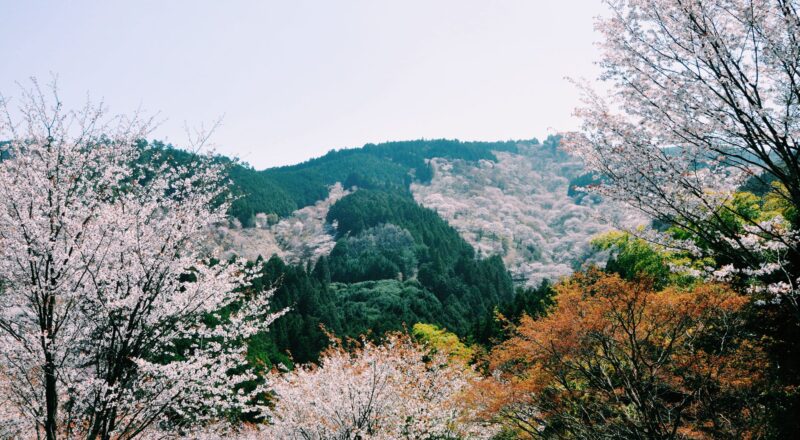
From late April through the first weeks of June, Italy hits a sweet spot that regular visitors quietly guard. The light is bright but not harsh, the mornings still cool enough for a proper cappuccino outside a bar without wilting, and the crowds have not yet reached their July density. Tuscany in mid-May is the postcard everyone wants: poppies breaking through wheat fields near Pienza, the Val d’Orcia hills still green rather than August-gold, and hilltop villages like Montepulciano moving at their own pace.
Rome behaves particularly well in spring. Wisteria drips over walls in Monti, the artichoke season peaks in the Jewish Quarter where *carciofi alla giudia* appear on every trattoria board, and the temperature rarely pushes past comfortable. This is the moment to walk the city rather than taxi it, and if you are trying to work out where to base yourself, choosing the right Rome neighbourhood for your trip matters more in a walking season than a sweltering one.
Further north, Lake Como’s ferries run less frantically in May, gardens at Villa Carlotta reach full bloom, and the Dolomites are still snow-tipped without being closed off. Spring is the season for travellers who want scenery, not sunbathing, and it rewards them accordingly.
Summer Pushes Everyone Toward the Coast
By late June the balance shifts. Rome, Florence and Bologna become genuinely hot, often clearing 35°C by early afternoon, and any sensible traveller adjusts their day accordingly. Locals do not fight the heat; they surrender to it. Shutters close at one, streets empty, and life resumes around seven when the light softens and *aperitivo* begins. If you are visiting an inland city in July or August, the Rome experiences that reward an early start become less about beating tourists and more about beating the sun itself.
The coast is where summer earns its reputation. The Amalfi peninsula, Cinque Terre, the Salento in Puglia, the beaches of Sardinia and the coves of western Sicily are extraordinary in July, but they are also extraordinarily busy. August is when Italy holidays with itself: the entire country, and particularly Milan and Turin, empties into these coastal stretches during *Ferragosto* on the fifteenth. Restaurants in cities close for two or three weeks, small shops shutter with handwritten notes, and the rhythm of a place changes entirely.
Ferry timetables to Capri and Ischia run at full capacity, and prices along the Costiera Amalfitana reach their annual peak. If a summer trip is unavoidable, look south rather than to the obvious names. The Gargano promontory, the coast around Tropea in Calabria, and the interior of Sicily around Ragusa still offer breathing room in high season, and the food, particularly the seafood pastas and granita for breakfast, is at its best.
September Is the Quiet Prize
Anyone who can travel in September should travel in September. The heat softens, the sea remains warm well into October, and the country enters its harvest rhythm. In Piemonte, white truffle season begins around Alba in late September and continues through November, and the vineyards of the Langhe turn amber. In Tuscany and Umbria the *vendemmia* is underway, and small wineries welcome visitors more warmly than they can manage in high summer.
The cities recover their character too. Roman locals return from the coast, favourite trattorie reopen, and the golden September light in a place like Trastevere at seven in the evening is genuinely unlike anything else in Europe. A four-day Rome itinerary paced for real people works far better in September than in August, when half the neighbourhood shops are shut and the Colosseum queues have their own weather system.
Practically, September also means shorter waits at airports, and if you are flying into the capital, the route from Fiumicino to the city centre is markedly less painful than it was six weeks earlier. Hotel prices ease from mid-month, museum reservations become easier to secure, and the whole country seems to exhale. The official tourism board at italia.it publishes regional harvest and festival calendars worth consulting before you book, particularly for smaller sagre in the hill towns.
Winter Rewards a Different Kind of Traveller
Winter in Italy divides sharply between the mountains and everywhere else. The Dolomites and the Alps hit their stride from December through March, with Cortina, Val Gardena and Courmayeur running full alpine seasons. This is a completely different Italy: German-influenced food, wooden chalets, *speck* and dumplings rather than pasta.
The cities in winter are a quieter proposition, and for some travellers the best one. Venice in January, cold and often misty, empties of the summer hordes and reveals itself properly. Rome in February rarely drops below eight degrees, and standing alone in front of the Pantheon on a Tuesday morning is an experience July can never provide. Florence museums, so oppressive in August, become genuinely walkable, and hotels drop their rates by half.
The trade-off is daylight. Sunset arrives by five, some coastal towns close almost entirely between November and March, and the south, apart from Sicily, is not built for winter tourism. But for a city-focused trip built around architecture, museums, long lunches and empty streets, the months either side of Christmas offer an Italy most visitors never see.
The country rewards travellers who commit to a season rather than fight it. Choose your month, follow the local rhythm, eat what is on the plate that week, and Italy will show you a version of itself no photograph could have prepared you for.