Mahdi Elm
Packing Cubes and Whether They Earn Their Space
The first time I watched a seasoned traveler unpack in a Lisbon guesthouse, she pulled out four neat fabric rectangles from her carry-on, stacked them on the bed, and was fully settled before I’d even found my toothbrush. No rummaging, no avalanche of socks, no crumpled shirts. Just order. It was the kind of quiet efficiency that makes you question every chaotic suitcase you’ve ever lived out of. But it also raised a fair question: were those tidy little cubes actually doing something magical, or was she just a naturally organized person who happened to own fabric boxes? After years of testing them across trains in Vietnam, cheap flights across Europe, and overlanding routes through Patagonia, the answer sits somewhere in the middle, and it’s more nuanced than the gear reviews suggest.
What Packing Cubes Actually Do Inside a Bag
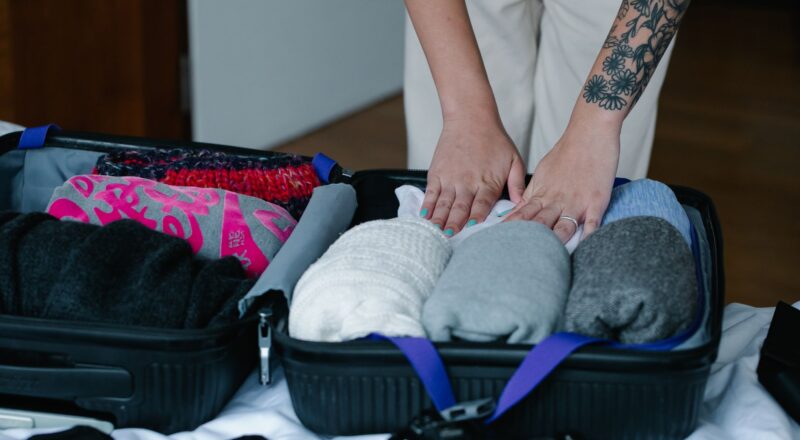
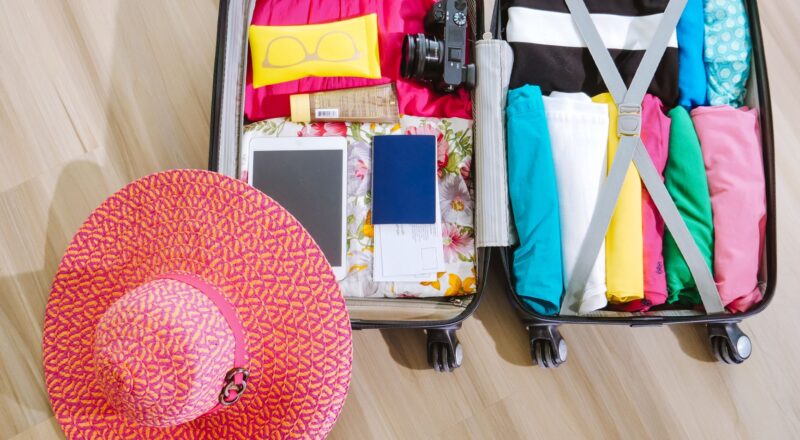
Packing cubes solve two problems and only two problems, but they solve them well. The first is sorting: shirts stay with shirts, underwear doesn’t migrate into your shoe compartment, and the clean-dirty divide stays honest. The second is compression, though only the compression-style cubes with a second zipper deliver this meaningfully. Standard cubes don’t shrink your wardrobe, they just contain it.
What they don’t do is create space out of thin air. If you pack six sweaters, they will take up the same volume with or without a cube around them. The illusion of extra space comes from eliminating the dead air that forms when loose clothes shift mid-transit. On a sleeper train from Hanoi to Hue, I watched my unboxed clothing redistribute itself into every available crevice by morning, like sand finding its level. Cubed clothing stayed put, which meant my bag closed the same way at 6 a.m. as it did at bedtime.
There’s also a hostel factor. In a six-bed dorm in Porto’s Cedofeita neighbourhood, where the shared wardrobe is a single hook, being able to grab one cube instead of excavating a backpack at 5 a.m. before a dawn flight is genuinely dignified behaviour. Your bunkmates will notice, even if they pretend not to.
Which Sizes Get Used and Which Gather Dust
Most sets arrive with three or four cubes in graduating sizes, and the honest truth is that only two of them earn their keep. The medium cube does roughly 80 percent of the work. It fits a week’s worth of t-shirts or a few folded pairs of trousers, slides neatly into a 40-litre carry-on, and is the one you actually open daily. The small cube handles underwear, socks, and swimwear, and that’s the full extent of its usefulness.
The large cube is where most travelers get into trouble. It tempts you to pack like you’re moving house. I’ve seen it fill with “maybe” items that never leave the bag for three weeks straight. If you’re going somewhere cold enough to need bulky layers, like a late-autumn trip through the Scottish Highlands or a ski week in Bansko, the large cube justifies itself. Otherwise, leave it at home.
A pouch for electronics cables is often sold as part of the same system and genuinely helps, especially when you’re moving through airport security and need to pull chargers out quickly. The TSA rules around laptops and power banks have shifted enough times that having everything in one grab-and-go pouch saves real minutes at the belt. For a wider breakdown of what deserves space on longer trips, our guide to packing essentials for long trips covers the layering strategy that pairs well with a two-cube system.
When a Dry Bag Does the Same Job for Less
For plenty of trips, a five-euro dry bag from a camping shop will replicate most of what packing cubes offer. Roll-top dry bags compress by design, keep clothes separated from anything damp, and double as your beach bag, laundry sack, or emergency pillow. On a two-week island hop through the Cyclades, my 10-litre dry bag held the same volume as a medium cube, cost a quarter of the price, and survived a late-afternoon soaking at the ferry port in Naxos when a wave came over the harbour wall during the meltemi winds.
The trade-off is visibility. Dry bags are opaque and shapeless, so finding a specific shirt means unpacking the whole thing onto your bed. Cubes with mesh tops let you scan contents at a glance, which matters more than you’d think when you’re tired, jet-lagged, and trying to find a clean shirt before a dinner reservation in San Telmo at 9 p.m. sharp. If you value speed of access, cubes win. If you value durability, waterproofing, and versatility, a dry bag or two will serve you better and leave money in your pocket for a long lunch of empanadas and Malbec.
A hybrid approach works well. One medium cube for shirts, one dry bag for underwear and socks, and a separate waterproof pouch for toiletries. This covers most trip types without the full investment of a branded cube set, which can run upward of sixty euros for something that is, functionally, nylon rectangles with zippers.
The Verdict on Earning Their Space
Packing cubes are worth the money if you travel often, live out of your bag for weeks at a stretch, or share sleeping quarters where unpacking should be quiet and quick. They’re not worth it for annual two-week holidays where a suitcase gets opened once and stays open on a hotel luggage rack. The real value isn’t in the fabric or the stitching, it’s in the discipline they impose: you pack less because the cube fills up, and you unpack faster because everything has a home.
The next trip will tell you which camp you fall into. Some travelers return from a month on the road evangelising about their cube system to anyone who’ll listen, while others quietly leave them in a drawer and go back to the beautiful chaos of a half-zipped duffel. Both approaches get you to the same sunrise over the same unfamiliar skyline, which is the only part that really counts.